Strong Welds Help Buildings, Platforms, and Frames Stay Safe Under Daily Stress
Commercial welding improves structural reliability by creating strong joints that help steel parts act like one solid system. When welds are done the right way, they help a structure carry weight, resist movement, and hold up better over time. In places like Dallas, TX, this matters for warehouses, stairs, railings, support beams, equipment bases, and many other parts of a commercial property.
Quick Answer
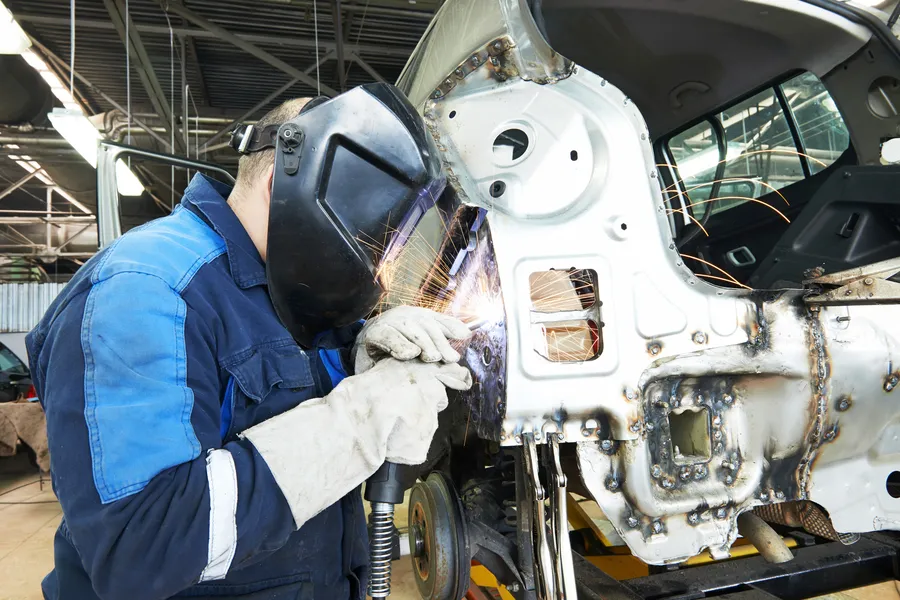
Good welding helps a structure stay stable. It connects metal parts so they can handle loads, vibration, weather, and repeated use. A weak weld can crack, bend, or fail early. A sound weld helps reduce those risks and supports longer service life. This is why commercial welding plays a major role in building safety and day-to-day function.
What You Need Before Starting
Before any welding work begins, the job needs a clear plan. The metal type, joint design, thickness, load needs, and job site conditions all affect the result. Surface prep also matters. Dirt, rust, paint, oil, and moisture can weaken a weld if they are left in place. Safety steps matter too, since heat, sparks, and fumes can affect workers and nearby materials.
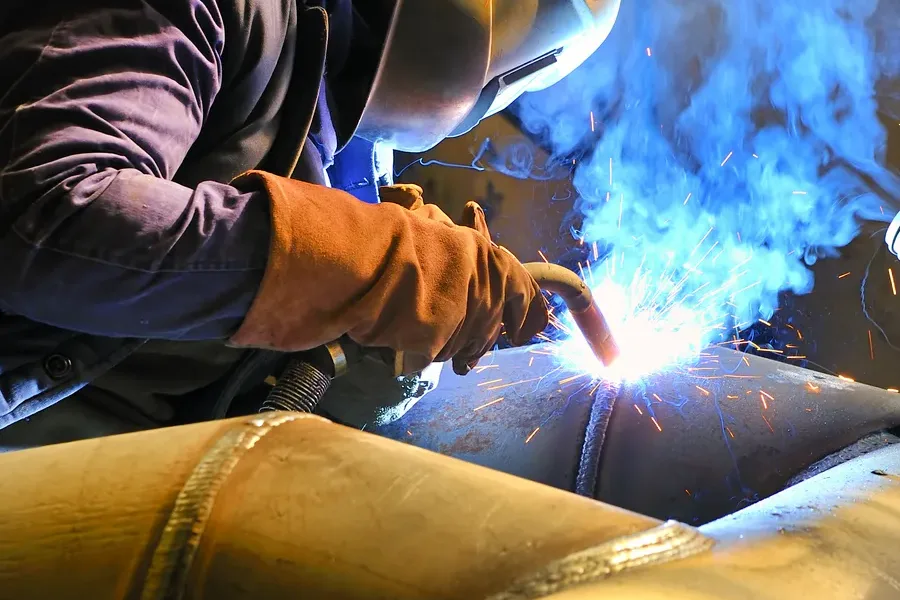
It also helps to know what the welded part will do. A decorative piece does not face the same stress as a support column or steel platform. The right process and filler material should match the job. Even the service category can shape the work, especially when structural repairs are part of a larger facility project.
Step-by-Step Process
Most reliable welding work follows a simple path from planning to final check. Each step helps the finished joint stay strong and last longer.
- Inspect the metal parts and confirm the design.
- Clean the surfaces to remove rust, paint, grease, and debris.
- Fit and align the pieces so the joint is tight and even.
- Choose the right welding method for the metal and load needs.
- Apply the weld with steady heat and correct filler material.
- Let the joint cool in a controlled way when needed.
- Inspect the weld for gaps, cracks, undercut, or poor fusion.
- Test the finished work if the structure has safety demands.
When these steps are followed, the welded area is more likely to spread force the right way. That helps the full assembly resist strain instead of putting too much stress on one weak point.
Common Mistakes to Avoid
Some welding problems start long before the torch is used. Poor prep is one of the biggest issues. If metal is dirty or misaligned, the weld may not bond well. Too much heat can also create trouble. It may warp parts or damage the base metal. Too little heat can leave weak fusion between pieces.
Another common mistake is using the wrong weld size. Bigger is not always better. A weld should match the design and load. Skipping inspection is also risky. A weld can look fine on the surface and still hide weak spots. In commercial welding, small errors can grow into larger structural problems after months of traffic, weight, or vibration.
- Do not weld over rust or paint.
- Do not ignore poor fit-up between parts.
- Do not use a one-size-fits-all process.
- Do not assume appearance alone means strength.
- Do not skip post-weld review on load-bearing parts.
When to Call a Professional
Some small metal tasks may seem simple, but structural work is different. If the welded part supports people, equipment, inventory, or building loads, a trained crew should handle it. The same goes for repairs on cracked beams, damaged stairs, broken railings, dock equipment, or steel frames that show movement.
A professional is also a smart choice when code rules apply or when access is tight and job site safety is a concern. In these cases, the work has to be accurate, not just fast. Proper commercial welding helps reduce risk and supports the long-term performance of the structure.
Why This Makes Such a Big Difference Over Time
Structures do not fail only from one heavy event. Many problems build slowly. Daily foot traffic, forklift use, machine vibration, weather shifts, and repeated loading can all wear down weak joints. Strong welds help stop that wear from turning into cracks, loosened parts, or uneven settling.
Reliable welds also help with maintenance planning. When metal connections are sound, property owners can focus on normal upkeep instead of frequent emergency repairs. This can help limit downtime and keep work areas safer for staff and visitors. For many commercial sites, that steady performance is just as valuable as the first installation itself.
Final Recommendation
If you want a steel structure to stay dependable, the welded joints need the same attention as the rest of the design. Good prep, the right method, sound technique, and careful inspection all help improve strength and service life. If a building component carries weight or affects safety, it makes sense to treat the welding work as a key part of the full structure, not just a finishing step.
Get Help With Your Next Project
For properties in Dallas, TX, we can help review welded components that affect safety and daily use. At Nava's Welding, we handle commercial welding work with care and clear communication. Call us at (972) 815-6917 if you’d like us to take a look at your project or repair needs.