Safe Equipment Helps Create Cleaner, Steadier, and Less Risky Welding Work
machinery repair improves welding safety by keeping equipment stable, accurate, and less likely to fail during use. When shop machines run the right way, welders face fewer risks from sudden movement, bad electrical flow, leaks, weak guards, and damaged parts. In many work areas, fixing worn machines early also helps lower fire risk, reduces poor weld quality, and supports a safer work pace.
Quick Answer
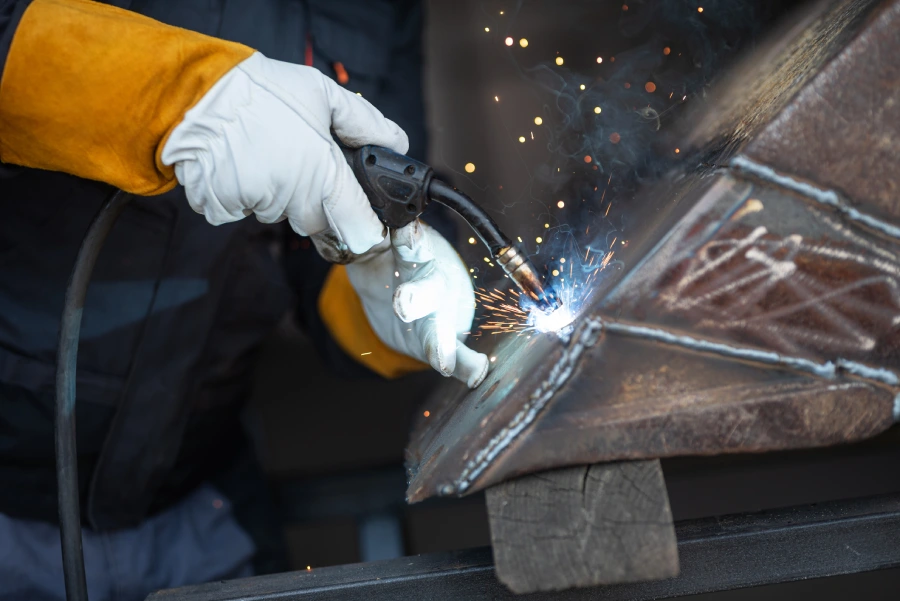
welding depends on more than a steady hand. It also depends on machines that feed, hold, lift, cool, and power the work in a safe way. machinery repair helps by fixing loose parts, worn wiring, broken switches, weak hydraulic lines, and poor alignment. When these problems are left alone, a welder may deal with sparks in the wrong place, shaky metal, overheating, or sudden machine stops. Even a small repair can make the job area safer and more predictable.
What You Need Before Starting
before any repair work begins, it helps to know what machine problem is affecting the welding area. This may involve a positioner, press, hoist, power unit, fan, cutter, or other support equipment. If a service category applies, industrial equipment service may also be part of the bigger safety plan. Basic records can help too, such as maintenance notes, user reports, and signs of recent breakdowns.
- the machine’s model and age
- the safety issue workers have noticed
- visible wear, leaks, or broken guards
- power problems, heat buildup, or odd noises
- the machine’s job in the welding process
having this information makes it easier to spot safety risks fast.
Step-by-Step Process
a clear process helps connect machinery repair to safer welding work. Here is a simple way this often happens.
- inspect the machine for damage, wear, and missing safety parts.
- check power supply, cables, controls, and emergency stops.
- look for movement problems like shaking, slipping, or poor alignment.
- repair or replace worn parts that can affect stability or heat.
- test the machine under normal work conditions.
- confirm the welding area is clear, guarded, and working as expected.
for example, a worn fixture may let metal shift during welding. That can cause a bad arc path or burn through in the wrong spot. After repair, the part stays in place better, and the welder has more control. The same idea applies to damaged cooling fans, cracked housings, and faulty clamps. Better machine condition often means fewer sudden hazards.
Common Mistakes to Avoid
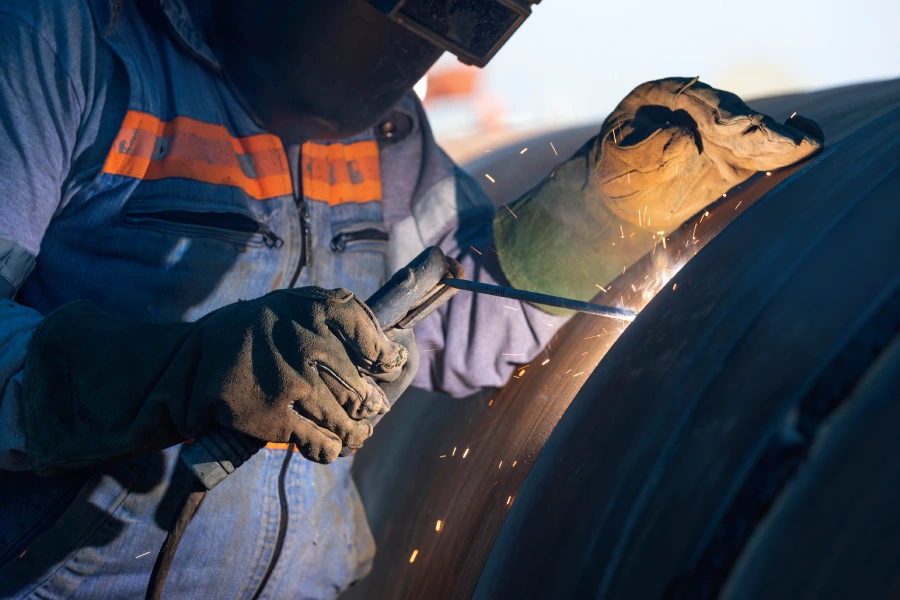
some safety issues happen because small machine problems get ignored. A shop may keep using equipment that “still works” even when it is acting wrong. That can lead to bigger threats later. Another common mistake is fixing only the weld defect while missing the machine problem behind it.
- ignoring odd sounds or vibration
- using damaged cords or loose connections
- working with missing guards
- letting fluid leaks stay near hot welding areas
- skipping test runs after a repair
these mistakes can raise the chance of shock, burns, fire, or dropped material. They can also cause rework, which means more time around risky equipment.
When to Call a Professional
some repairs are simple, but many welding support systems have risks that need trained help. If a machine has electrical faults, hydraulic leaks, failed safety controls, or heavy moving parts, a professional should inspect it. The same is true when the cause is not easy to find. A machine that keeps tripping breakers, overheating, or jerking during use may have a deeper problem.
professional machinery repair is also a smart step when welding quality keeps changing for no clear reason. In some cases, the welder is doing the job right, but the equipment around the work is not holding steady. That may point to bad bearings, feed issues, poor calibration, or frame wear. Fixing those items can protect both the worker and the final weld.
Why This Matters for Daily Safety
safe welding is not only about helmets, gloves, and screens. Those items matter, but the machine setup matters too. A repaired machine can lower sudden motion, stop extra heat from building up, and keep materials where they belong. It can also help workers keep a safer body position instead of leaning, reaching, or rushing around unstable equipment.
over time, regular machinery repair can support a safer shop culture. Workers are more likely to trust their tools, follow a steady routine, and speak up when something seems off. That can reduce near misses and help jobs move with less stress.
Final Recommendation
if welding safety problems keep showing up, the machine condition should be part of the review. small faults can lead to large risks when heat, sparks, and heavy metal are involved. In Dallas, TX, safe welding work often starts with reliable equipment. At Nava's Welding, we help inspect, repair, and restore the machines that support safer job sites. Call us at (972) 815-6917 if you want us to take a closer look and help you plan the next step.