Strong Metal Repairs and Smart Support Work Help Keep a Home Safe and Stable
residential welding can help protect a home’s frame, stairs, rails, gates, and other metal parts that support daily use. When metal pieces crack, shift, rust, or pull apart, the strength of the whole area can drop. The right fix depends on where the damage is, how deep it goes, and how much weight the part carries. In many homes around Dallas, TX, fast action can stop a small metal problem from turning into a larger structural repair.
Local Needs and Why This Matters
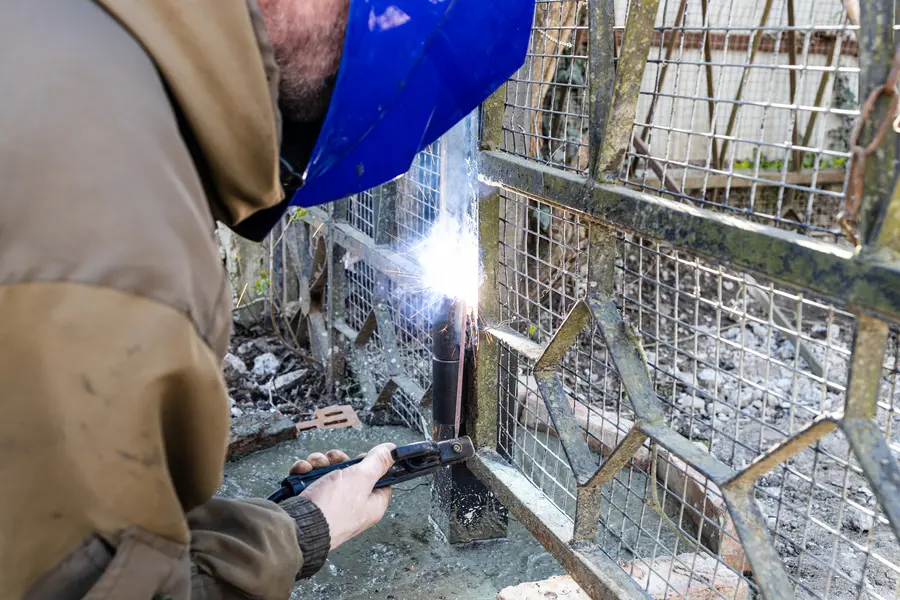
homes in Dallas, TX often have metal parts that do more than just look nice. Steel posts may hold up a porch cover. Iron rails may keep steps safe. Metal brackets may support beams, fences, or entry gates. If one of these parts fails, people can get hurt, and nearby materials can also suffer damage. That is why residential welding matters for both safety and long-term strength.
Many property owners do not notice trouble right away. A rail may feel a little loose. A gate may drag. A post may lean just a bit after a storm or ground shift. These may seem small, but they can point to a break at a welded joint or stress in the metal itself. Fixing that early is often simpler than waiting for full failure.
Common Local Issues
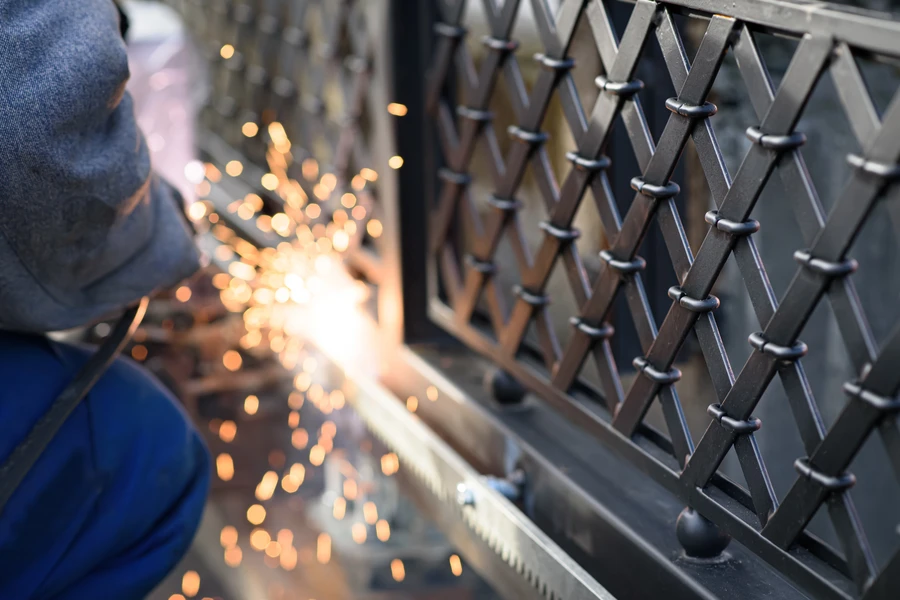
Metal damage in homes often comes from daily wear, weather, and movement. Outdoor features take the most abuse. Rain, heat, and changing ground can all weaken joints over time. In some cases, poor past repairs also cause parts to fail again.
- rust around weld seams
- cracks in stair rails or balcony rails
- loose metal posts at patios or carports
- bent gate frames that no longer line up
- broken brackets under decks, awnings, or beam supports
- old patch jobs with weak weld beads
Some homes also have mixed materials, like wood decks with metal supports. When water gets trapped between those materials, corrosion can spread where people cannot see it well. That hidden damage can lower structural strength before the outside looks bad.
Local Conditions That Affect Results
Good repair work depends on more than just adding fresh welds. The surrounding conditions matter too. Outdoor metal may need surface prep, rust removal, part replacement, or reinforcement plates before any weld is made. If movement from soil, impact, or settling caused the damage, that issue may also need attention.
Property type can change the repair plan. Older homes may have thicker steel but more rust. Newer homes may use lighter metal sections that need a careful heat setting. Some neighborhoods may also have code rules for rails, stairs, or gate safety. For that reason, service category work tied to structural support should not be treated like a simple cosmetic repair.
Weather also plays a part. Moisture can make corrosion spread faster. Hot and cold swings can stress joints and expand small cracks. If a damaged item sits outside year-round, the repair should match those conditions so the fix lasts longer.
Practical Local Recommendations
If you think a metal support or fixture is failing, start with a close visual check from a safe distance. Look for flakes of rust, split joints, missing fasteners, fresh sagging, or odd movement when light pressure is applied. Do not test a weak rail or post with full body weight. If the part supports people, roofing, or a heavy gate, treat it like a safety issue.
Helpful steps often include:
- check the full area, not just the obvious break
- look for rust, bending, and wall or concrete damage nearby
- take photos so changes can be tracked
- keep people away from loose rails or unstable gates
- avoid paint-over patch jobs that hide damage
- get a full repair review before the part fails more
For many homeowners, the best path is a repair that restores strength and fit at the same time. That may mean cutting out a bad section, cleaning the base metal, welding in a sound replacement, and checking alignment before the job is finished. On support items, appearance matters less than solid performance, though both can often be improved together.
When Local Residents Should Get Expert Help
Some metal issues are not safe for a do-it-yourself fix. If a weld holds weight, protects people from a fall, or connects to the home’s structure, trained help is the safer choice. The same goes for repairs with deep rust, repeated failure, or poor access. A weak weld in the wrong place can break without much warning.
Expert help is a smart move when:
- a stair or balcony rail wobbles
- a support post has cracked at the base
- a gate hinge plate has torn from the frame
- rust has eaten into the metal thickness
- the damaged part connects to concrete or framing
- a past repair already failed once
Professional residential welding can also help when a homeowner wants to strengthen an older feature before it breaks. That might include adding support tabs, replacing weak sections, or rebuilding high-stress connection points. These upgrades can help extend the life of metal features that are still worth saving.
Get Help With the Right Repair Plan
if you have a loose rail, cracked support, or worn metal feature in Dallas, TX, reach out for guidance before it gets worse. At Nava's Welding, we provide clear repair options based on the condition of the metal and how the part is used. Call us at (972) 815-6917 and we will help you find a safe, practical next step for your home.