How On-Site Welding Gets Done From Start to Finish
a mobile welding service brings welding tools, power equipment, and repair skills to your home, job site, farm, or business. Instead of taking a broken gate, trailer, railing, or piece of metal to a shop, the welder comes to you. This saves time, helps with large or fixed items, and can make repairs easier in places around Dallas, TX.
Quick Answer
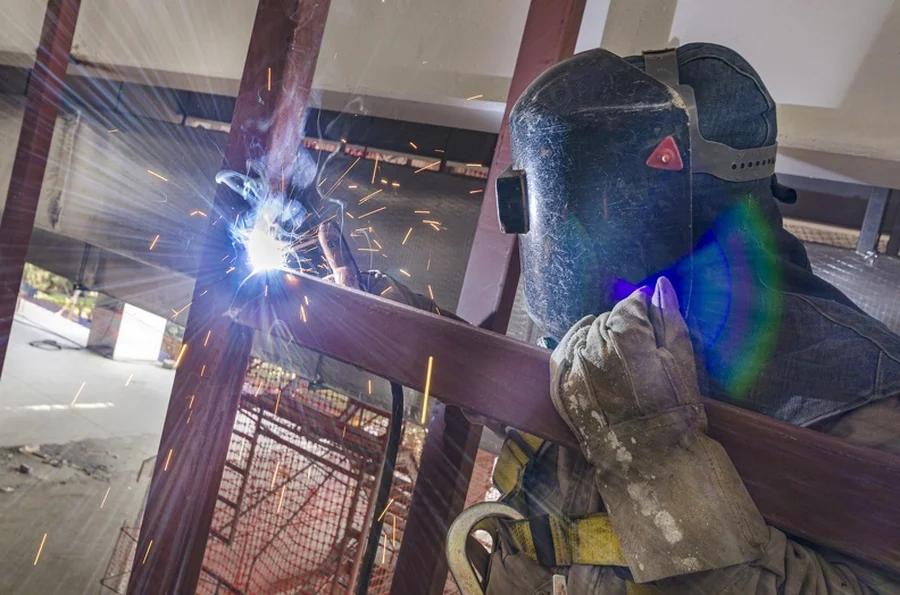
Most mobile welding jobs follow a simple path. The customer explains the problem, the welder checks the metal and the job site, then the repair or build work is done on-site. A mobile welding service may handle steel, aluminum, iron, and other metals, depending on the tools and process needed. This kind of service is often used for fences, stairs, heavy equipment, trailers, structural parts, and small fabrication work.
What You Need Before Starting
Before a welder arrives, it helps to have a few details ready. This makes the visit smoother and helps avoid delays. If you can, take clear photos of the damage or the project area. Share the size of the item, the type of metal if known, and whether the piece is still safe to use.
- Photos of the broken or rusted area
- The job address and site access details
- A short note about what happened
- Power access, if available
- Any timing needs for the repair
- Information about nearby flammable items
It also helps to clear the work area. Welding creates heat, sparks, and smoke. Dry grass, fuel cans, rags, and other fire risks should be moved away before the work begins. If the project falls under a service category keyword, that should be explained clearly so the welder knows if it is repair work, metal fabrication, or support for a larger job.
Step-by-Step Process
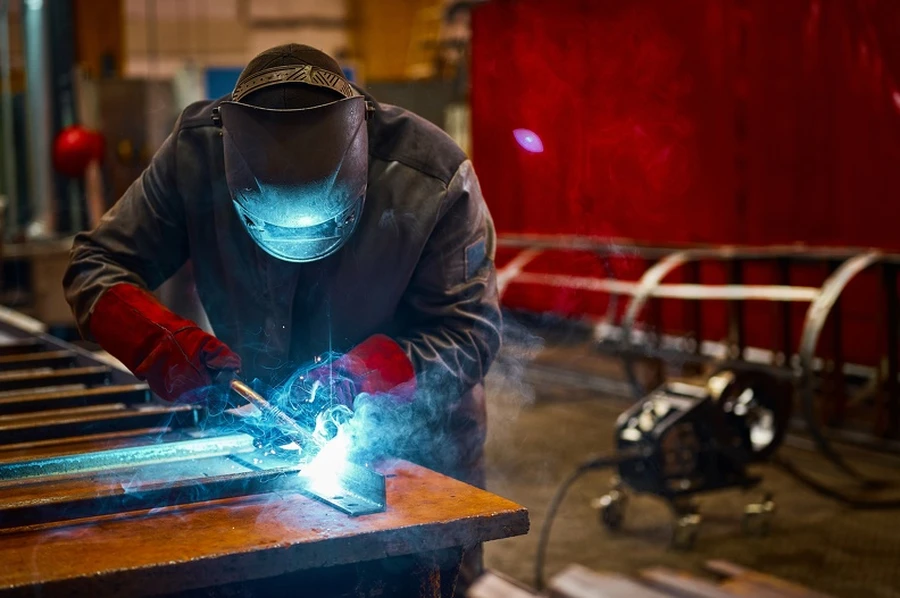
A mobile welding service usually works in a set order. While each job is different, the steps below are common for most on-site repairs and metal work.
- The customer calls or sends photos of the problem.
- The welder asks questions about the metal, damage, and location.
- The job site is checked for space, safety, and access.
- The metal is cleaned, measured, and prepped.
- The right welding method is chosen for the job.
- The repair or build is completed on-site.
- The weld is checked for strength and finish.
- The area is cleaned up, and care tips may be shared.
For example, a cracked trailer frame may need stronger weld support than a small gate hinge. A broken handrail may need cleanup, fitting, and a smooth finish for safety. Some jobs also require cutting out old metal before new metal can be added. That is why site prep and inspection matter so much.
Common Mistakes to Avoid
People sometimes wait too long before calling for help. A small crack in metal can spread fast when the item keeps taking weight, vibration, or weather. Another common mistake is trying a quick patch that does not match the metal or the stress of the part. That can make the real repair harder later.
Some property owners also forget about access. If a welder cannot reach the work area with tools and gear, the job may take longer. Another issue is not mentioning past repairs. Old welds, rust, paint, and weak add-on parts can change how the repair should be done.
It is also a mistake to think every metal job is the same. Thin metal, thick steel, and aluminum all behave in different ways. Using the wrong process can lead to weak welds, burn-through, or poor fit.
When to Call a Professional
You should call a professional when the item holds weight, affects safety, or is hard to move. This includes stairs, railings, support beams, trailer tongues, equipment frames, and entry gates. If the metal is cracked near a load point, a trained welder should inspect it before anyone uses it again.
A mobile welding service is also the smart choice when the item is too large to haul away. Farm equipment, dumpster enclosures, commercial doors, and metal posts are often fixed faster on-site. If the repair needs special tools, cutting, grinding, or field fabrication, a pro can handle those steps safely.
In many cases, on-site welding is not just about fixing damage. It can also help with upgrades, custom brackets, added supports, and changes that make metal parts work better over time.
Final Recommendation
If you have a broken metal part, start by getting clear about the problem and making the area safe. A mobile welding service works best when the welder has good details, easy site access, and a clean space to work in. If you are in Dallas, TX and need help with damaged metal, custom repair, or on-site fabrication, contact us to talk through the job. At Nava's Welding, we can answer questions, explain the next steps, and schedule service. Call us at (972) 815-6917 when you are ready.