Why Strong, Custom Metal Work Can Improve Safety, Function, and Home Value
Residential welding can help homeowners get safer railings, stronger gates, better repairs, and custom metal features that last for years. If you need to fix broken metal parts or add something new to your home, this type of work gives you solid results that fit your space. It is often a smart choice when you want strength, long life, and a clean finished look.
Quick Answer
The main benefits of residential welding services are strength, custom fit, safety, and long-term value. Welded metal parts often hold up better than simple bolts or patch jobs. They can also be made to match the exact size and style of your home. For many homeowners, that means fewer future repairs and better daily use.
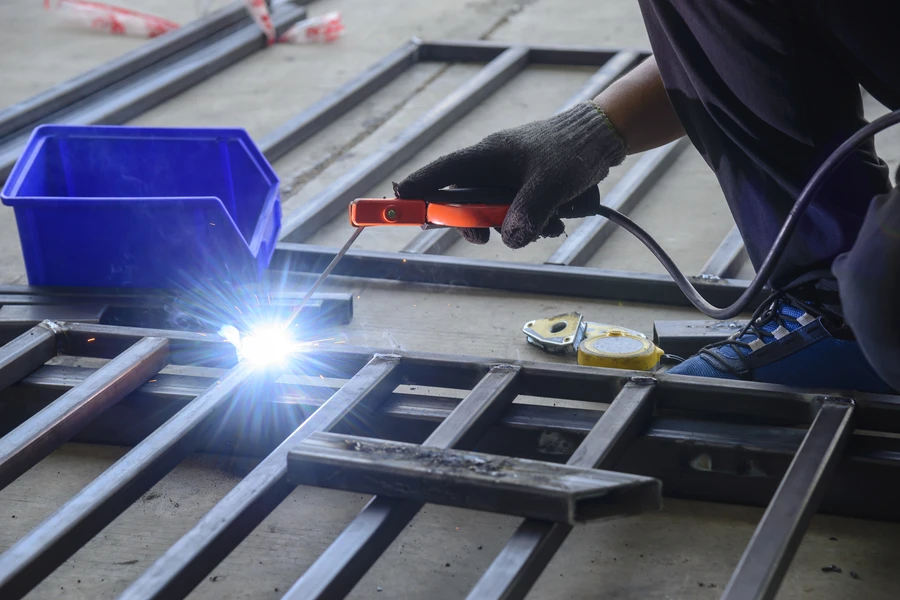
Residential welding is often used for fences, handrails, stair railings, gates, frames, supports, and metal repairs around the home. It can also help when older metal parts have rust, cracks, or weak joints. In many cases, a welded repair is a better fix than replacing a full section.
Option a Vs Option B Criteria
When homeowners think about metal work, they are often choosing between repair and replacement, or between a basic fix and a custom welded solution. The best choice depends on the condition of the metal, how the part is used, and how long you want the result to last.
- Choose repair when the metal is still mostly sound.
- Choose replacement when rust or damage is spread out.
- Choose custom welding when size and fit matter most.
- Choose a simple hardware fix only for light-duty needs.
A welded repair can save a railing that has one broken joint. A full replacement may be better if the whole railing is loose, bent, or badly rusted. A custom metal project can be the right choice if store-bought parts do not fit your porch, driveway, or stairs.
Pros and Cons List
Like any home service, residential welding has clear upsides and a few limits. Looking at both sides can help you make a better choice.
- Pro: welded metal is strong and built for daily use.
- Pro: custom work can fit odd spaces and unique home layouts.
- Pro: repairs can extend the life of existing metal features.
- Pro: metal can be shaped for both safety and style.
- Con: some jobs need surface prep before welding can begin.
- Con: badly damaged metal may still need replacement.
- Con: poor welding work can create weak spots or rough finishes.
One big benefit is how useful this service can be in many parts of a home. A cracked gate hinge, a loose stair rail, or a broken metal support can all create daily problems. A good welded fix can make these parts safe again and help them last longer.
Best Fit by Scenario or User Need
Different homes need different kinds of metal work. Residential welding is a strong fit when the project must be durable, safe, and made for a specific space. It is also a smart choice for homeowners who want a clean look instead of a rough patch.
For example, stair railings need strength because people put body weight on them every day. A welded railing can give better support than a quick fastener fix. Gates also benefit from welding because they swing, pull, and shift with repeated use. If the frame is weak, the whole gate can sag over time.
Custom welding can also help with outdoor metal features. Homeowners may need metal brackets, fence repairs, or supports for small structures. In these cases, work in the broader service category can improve both function and appearance. Even simple repairs can make a home feel more finished and secure.
Mistakes People Make When Choosing
A common mistake is waiting too long to deal with damaged metal. Small cracks can grow. Loose joints can put stress on nearby sections. Rust can spread under paint and weaken more of the piece than you first thought. A fast repair early on is often easier than a full replacement later.
Another mistake is picking a fix based only on what seems cheapest that day. A patch that fails in a few months can cost more in the long run. Homeowners also sometimes choose store-bought parts that are close in size but not quite right. That can lead to poor fit, weak support, or an unfinished look.
It is also easy to overlook safety. Handrails, stair parts, and structural supports need more than a basic cosmetic repair. These pieces should be strong, steady, and built for real use. If they are not, they can become a risk for family members and guests.
Final Decision Checklist
If you are deciding whether residential welding is right for your home, this simple checklist can help:
- Check if the metal part is cracked, loose, bent, or rusted.
- Think about how often the part is used each day.
- Decide if a custom fit would work better than a standard piece.
- Ask whether the damage affects safety or only appearance.
- Compare the value of repair versus full replacement.
- Look at the long-term benefit, not just the short-term fix.
If the metal part supports weight, moves often, or protects people, welded work is often a smart direction. It can give you better strength and a cleaner result than many temporary fixes.
Get Help With the Right Solution
If you are in Dallas, TX and need a safer or longer-lasting metal fix, reach out to us for guidance. At Nava's Welding, we handle repairs and custom work for many kinds of home metal projects. Call us at (972) 815-6917 to talk about your goals and see what option fits your space best.